

Raleigh’s Hidden Roots: A Story Beneath the Water
- Zaid Steele

- Sep 20, 2025
- 1 min read
Raleigh, North Carolina, a city that rose from the wetlands. Land once shaped by water, rich and alive, yet too often left without the care needed to protect Mother Nature from human hands.


Photographer: Zaid Steele
In the early 1960s, these same wetlands were sold to Black families and farmers, who built homes, planted dreams, and cultivated communities on land that others had overlooked. But when the floods came, it was their neighborhoods that bore the heaviest loss, a painful echo of how progress has not always flowed equally.


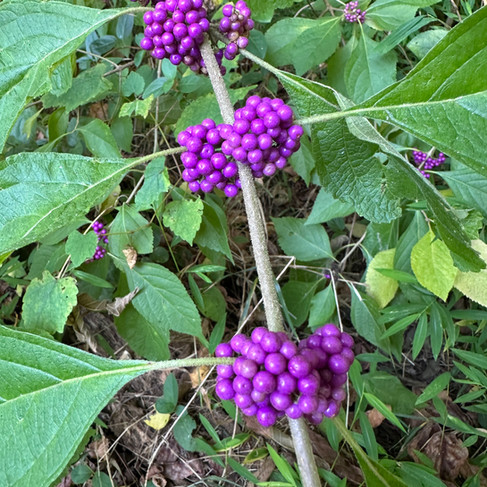
Photographer: Zaid Steele
As the city grew through the 1950s to the 1970s, “urban renewal” swept through downtown Raleigh, displacing Black families from once-thriving neighborhoods near South Saunders Street and Smoky Hollow. Many were moved to low-lying lands, former farmland or flood-prone zones, places cheaper in price but costly in consequence.
And yet, from those waters rose resilience. In areas like Southeast Raleigh and Walnut Creek, displaced families built new lives with strength, spirit, and community. Churches, small businesses, and family homes became anchors of hope amid uncertainty, proof that where others saw ruin, they saw renewal.

Raleigh’s story reminds us that growth without balance is a kind of forgetting, but awareness can be the seed of restoration. Because every tree, every root, every drop of water still remembers. And yes, did you know a tree is a plant? A living bridge between the earth and the sky, quietly reminding us that what we nurture will one day nurture us.


Comments